 by
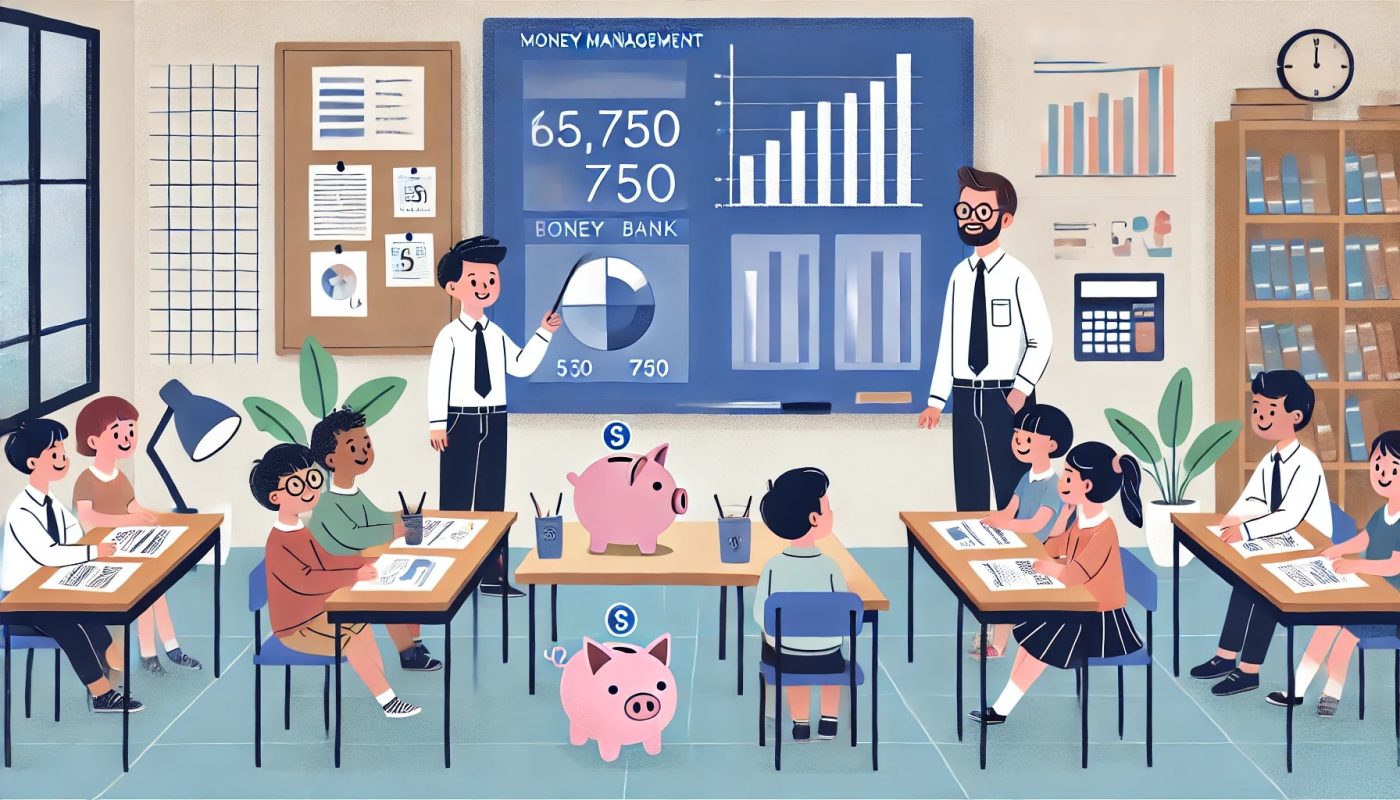
by During a time characterized by financial instability, it is more important than ever to teach young people about financial topics. Financial literacy, essential for the financial well-being and independence of young individuals, involves mastering financial skills like personal financial management, budgeting, and investing. Lacking this information puts young people in a greater danger of accumulating debt and experiencing financial insecurity as they get older.
Understanding Financial Literacy
What is Financial Literacy?
Financial literacy encompasses a range of financial skills and knowledge that enables individuals to make informed and effective decisions with their financial resources. These are the key components every young person should understand:
- Budgeting and Money Management: Learning to plan and track personal spending to avoid debt and save for the future.
- Savings and Investments: Understanding how to grow personal wealth for long-term financial security.
- Understanding Credit and Debt: Knowing how credit works and the implications of accumulating debt.
Current Financial Literacy Programs for Youth
Across the globe, several programs aim to bridge the gap in financial knowledge among young people. Here’s a look at a few notable ones:
“I Am Financial Knowledge” by Youthentity
This program in Colorado engages students through interactive workshops, teaching them crucial financial concepts from an early age. It reaches approximately 6,000 students annually, helping them grasp the fundamentals of money management.
Financial Literacy for Youth (FLY) by Cornell Cooperative Extension
Aimed at teenagers, FLY provides tools and knowledge through a structured program that concludes with each participant receiving a toolkit for ongoing learning, ensuring that the lessons learned have a lasting impact.
Opportunity Passport™ by the Annie E. Casey Foundation
Focused on youths transitioning from foster care, this program combines financial education with a matched-savings initiative, encouraging responsible fiscal habits while providing the tools necessary to build and maintain financial stability.
Benefits of Financial Education
The advantages of instilling financial literacy at a young age are profound and long-lasting. Participants of these programs often report greater confidence in managing money, and the ability to make better financial decisions. Moreover, these educational experiences lay the groundwork for future financial independence and stability.
Quote from a Program Participant:
“I never understood the importance of saving or how credit worked until I attended the financial literacy workshop. Now, I not only manage my finances better, but I also have savings that make me feel secure about my future.”
Challenges and Barriers
Despite the clear benefits, the road to widespread financial literacy is fraught with challenges. Many schools lack the resources to implement comprehensive programs, and there is often a gap in parental financial knowledge that can leave a generational divide.
Overcoming Obstacles
To overcome these barriers, collaboration between educational institutions, community organizations, and financial experts is crucial. Tailoring programs to meet local needs and ensuring they are accessible to all students can significantly enhance their impact and reach.
How to Get Involved
Empowering the Community Through Education
For parents, educators, and community leaders eager to bring financial literacy education into the lives of young people, there are actionable steps to make this a reality. It starts with advocating for financial education programs within local schools and community centers. Additionally, engaging with financial experts who can provide real-world insights and strategies is invaluable.
Steps to Start a Financial Literacy Program:
- Assess the Need: Understand the specific financial challenges that face your community.
- Partner with Experts: Collaborate with financial institutions or literacy organizations.
- Develop Tailored Curriculum: Create engaging and relevant content that resonates with the youth.
- Implement the Program: Launch in schools or community centers with accessible sessions.
- Evaluate and Adapt: Continuously improve the program based on feedback and results.
Conclusion
In conclusion, the journey towards financial literacy for young people is not just about teaching them to balance a checkbook or create a budget. It’s about equipping them with the tools to navigate a complex financial world and empowering them to make decisions that will lead to a secure and prosperous future. As we look forward, let us commit to these educational initiatives—not just for the benefit of individual students, but for the health of our entire global economy.
Quote from an Educator:
“Seeing a student apply what they’ve learned about finances to make informed decisions is incredibly rewarding. It’s not just about money; it’s about transforming how they view their future possibilities.”
FAQs
Financial literacy helps young individuals develop a foundation for financial stability and independence, enabling them to make informed decisions as they navigate through life’s financial challenges.
Financial education should start as early as possible. Even elementary students can benefit from basic concepts of saving and spending.
Schools can integrate financial literacy by incorporating it into existing subjects like math or social studies, or by establishing dedicated financial education classes.
Every young person should understand budgeting, the importance of saving, the basics of credit and debt, and how to plan for financial goals.
Parents can support their children’s financial education by discussing financial matters openly, providing practical experiences with money, and using everyday moments to teach important financial lessons.